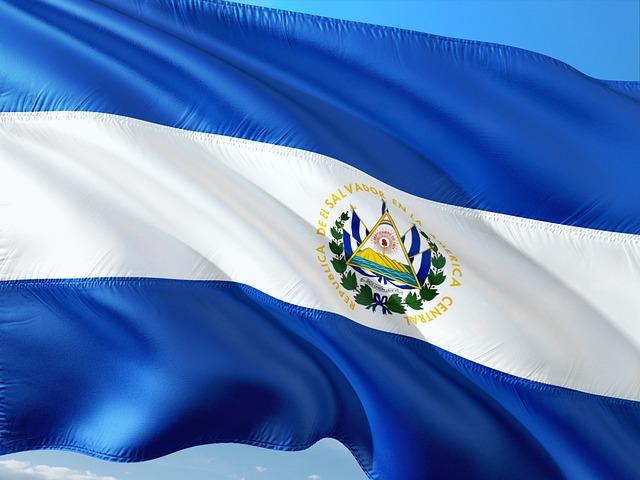
El Salvador's Rights Suspension: Bukele's Crackdown on Gang Homicides
El Salvador, a nation long plagued by the brutal grip of criminal gangs, has embarked on a controversial path under President Nayib Bukele, suspending fundamental constitutional rights in an aggressive bid to reclaim public safety. This dramatic shift has seen an unprecedented number of individuals imprisoned in El Salvador, transforming the country's penal landscape and sparking intense debate both domestically and internationally. While the government champions these measures as essential to dismantling notorious criminal organizations, critics point to the profound implications for human rights and due process.
The severity of the challenge cannot be overstated. Decades of gang violence have created a climate of fear, extortion, and rampant homicides. Bukele's administration, having gained widespread popularity through its tough stance, has chosen a strategy that prioritizes immediate security gains over traditional legal safeguards. The result is a society grappling with a state of emergency, where the line between necessary law enforcement and potential abuses blurs, and the fate of those **El Salvador imprisoned** hangs in the balance.
The Unprecedented Crackdown: A State of Emergency Declared
The catalyst for El Salvador's sweeping security measures was a horrifying surge in violence that culminated on Saturday, March 26, into the deadliest day in recent Salvadoran history. That single day witnessed an appalling 62 homicides, a figure so stark it rivaled the worst days of the country's civil war. To find a comparable statistic, one would have to look back to August 2015, when 51 lives were lost in a single 24-hour period. This gruesome escalation prompted an immediate and decisive response from President Bukele.
Without extensive study or public discussion, the Salvadoran Congress, at Bukele's urgent request, swiftly approved a state of exception. This decree, sanctioned and published by the president, came into effect immediately and was initially valid for 30 days, granting the government extraordinary powers. Bukele asserted that "the measures to be taken will be implemented by the relevant institutions and announced only when necessary," reassuring the populace that "for the vast majority of people, life goes on as normal. God bless us all." He clarified that "religious services, sporting events, commerce, studies, etc., can continue to be carried out normally. Unless you are a gang member or the authorities consider you suspicious." However, the implications of such broad authority are profound for anyone considered a threat.
Constitutional Guarantees Suspended: What it Means for Citizens
The emergency regime ushered in a dramatic suspension of several core constitutional guarantees, fundamentally altering the rights of those residing in El Salvador. These critical changes directly impact due process and personal liberties, raising significant concerns among human rights advocates. The rights that were suspended include:
- Freedom of Assembly and Association: The ability for individuals to gather and form groups without government interference was curtailed, impacting public demonstrations and community organizing.
- Right to Defense: This crucial right, guaranteeing legal representation and a fair hearing for anyone accused, was suspended. This directly impacts the ability of individuals imprisoned in El Salvador to challenge their detention or allegations against them.
- Inviolability of Correspondence and Telecommunications: The prohibition against the intervention of private communications, including mail and digital messages, without judicial authorization, was lifted. This grants authorities broader surveillance capabilities.
- Extended Administrative Detention: Perhaps one of the most impactful changes for individuals accused of crimes, the period for administrative detention was dramatically extended from a normal 72 hours to an alarming 15 days. This allows authorities to hold suspects for over two weeks without formal charges, significantly increasing the risk of arbitrary detention and potential abuse.
These suspensions grant vast powers to the Ministry of Security, the National Civil Police, and the Ministry of Defense. While the decree did not explicitly state whether the Armed Forces would also have prerogatives such as intervening in telecommunications, the general thrust indicates a significant shift towards state-controlled security measures with reduced judicial oversight. The immediate effect has been an intensification of police searches in areas known for gang activity, aiming to dismantle their networks and capture members, leading to a surge in individuals **El Salvador imprisoned** under the new rules.
Inside the Prisons: Isolation and a Harsh New Reality
As part of the emergency regime, President Bukele issued direct and unyielding orders regarding gang members already imprisoned in El Salvador. He instructed Osiris Luna, the general director of Penal Centers, to "Decree maximum emergency again in all security and maximum security prisons," specifying that "all cells closed 24/7." Bukele's message to the gangs was stark and unambiguous: "because of your actions, now your ‘homeboys’ won’t be able to see a ray of sunshine." Luna swiftly confirmed the immediate implementation of the order, reiterating that "these criminals will NOT see the light of day."
This policy of extreme isolation within correctional facilities is not entirely new; Bukele had previously employed similar measures during earlier waves of gang violence. However, under the state of exception, the enforcement has become more comprehensive and prolonged. The aim is multifaceted: to break the internal command structures of gangs operating from within prisons, to punish those responsible for external violence, and to send a clear message about the government's zero-tolerance policy. While supporters argue this is a necessary step to incapacitate criminal organizations and protect the public, human rights organizations voice deep concerns over the psychological and physical impacts of such severe isolation on prisoners, questioning its legality and ethical implications under international law.
Beyond Gang Members: The Broader Net of Imprisonment and International Concerns
While the initial focus of Bukele's crackdown was on Salvadoran gang members, the net of individuals **El Salvador imprisoned** has broadened in ways that have drawn international scrutiny. A significant development involved the United States' removal of 238 Venezuelans to El Salvador, where they were subsequently held in Nayib Bukele's controversial CECOT mega-prison (Center for the Confinement of Terrorism). This transfer raised immediate red flags when the U.S. government itself admitted that many of these individuals had no criminal records.
The situation was brought to light through the efforts of a U.S. photojournalist who documented the arrival of these Venezuelan prisoners at the airport and later at the prison, publishing images of their handling. Furthermore, CBS News obtained a leaked list containing the names of all the Venezuelans deported and imprisoned in El Salvador, providing concrete evidence of the scale of this operation. Venezuelan families shared the stories of those affected, painting a human picture of individuals caught in a complex geopolitical situation, often with limited understanding of why they were being held.
This scenario underscores a critical concern: the broad definition of "suspicious" under the emergency regime, combined with the suspension of the right to defense and the extended administrative detention period, creates a vulnerability for individuals who may not be gang members but are nonetheless swept up in the crackdown. The lack of transparency around who is being detained, the conditions of their imprisonment, and the avenues for legal recourse represent a serious challenge to fundamental human rights, placing El Salvador under intense international observation.
Conclusion
El Salvador's aggressive measures under President Bukele to combat gang homicides have yielded a complex and contentious reality. On one hand, the government points to a significant reduction in murder rates, a welcome relief for a population long terrorized by criminal organizations. On the other hand, this relative peace has come at a steep price: the suspension of fundamental constitutional rights, the widespread detention of individuals, and a justice system operating under exceptional conditions. The stories of those imprisoned in El Salvador, whether alleged gang members subjected to severe isolation or foreign nationals without criminal records caught in a broader dragnet, highlight the profound trade-offs inherent in this strategy. As the world watches, El Salvador's journey serves as a powerful case study in the global debate between security and liberty, raising critical questions about the long-term sustainability and human cost of such drastic measures.