Bukele's Emergency Regime: El Salvador Isolates Imprisoned Gangs and Navigates a Complex Future
El Salvador has embarked on an unprecedented and controversial journey under President Nayib Bukele, whose administration declared a sweeping state of emergency in response to a dramatic surge in gang violence. This regime has led to profound changes, most notably the severe isolation of el salvador imprisoned gang members, a measure aimed at dismantling criminal networks from within the penitentiary system. However, the far-reaching implications of these policies extend beyond gang members, touching upon civil liberties, international relations, and the very fabric of Salvadoran society.
The government's hardline stance, often dubbed "mano dura" (iron fist), seeks to restore order in a nation long plagued by the terror of notorious gangs like MS-13 and Barrio 18. While popular among many citizens desperate for security, these aggressive tactics have drawn considerable scrutiny from human rights organizations and international observers, raising questions about due process and the long-term health of democratic institutions.
The Genesis of the Emergency Regime: A Nation on Edge
The catalyst for President Bukele's declaration of a state of emergency was a horrifying spike in homicides. March 26, 2022, tragically etched itself into recent Salvadoran history as the deadliest day, with 62 murders reported in just 24 hours. To find a comparable figure, one would have to look back to August 2015, when 51 lives were lost in a single day. This "excessive increase" prompted an immediate and decisive response from the executive branch.
Within hours, Bukele requested that Congress approve an exceptional regime, a measure swiftly granted without extensive debate or study. This decree, valid for an initial 30 days and subsequently extended, effectively suspended several fundamental constitutional guarantees. Key rights affected included the freedom of assembly and association, the right to defense, and the inviolability of correspondence. Furthermore, the prohibition of telecommunications intervention without judicial authorization was lifted, and the period of administrative detention was dramatically extended from a standard 72 hours to a staggering 15 days. These changes granted unprecedented powers to the state, primarily to the Ministry of Security, the National Civil Police, and the Ministry of Defense.
President Bukele assured the public that for the "vast majority of people, life goes on as normal," with religious services, sporting events, commerce, and studies continuing uninterrupted. However, he made it clear that "unless you are a gang member or the authorities consider you suspicious," implying a targeted approach that nonetheless broadens the scope of potential state intervention into citizens' lives. This stark division highlights the government's dual objective: to reassure law-abiding citizens while instilling fear and apprehension among those perceived as threats. For a deeper dive into the legal framework and broader implications of these measures, consider reading about El Salvador's Rights Suspension: Bukele's Crackdown on Gang Homicides.
Isolating the Imprisoned: Bukele's Uncompromising Stance
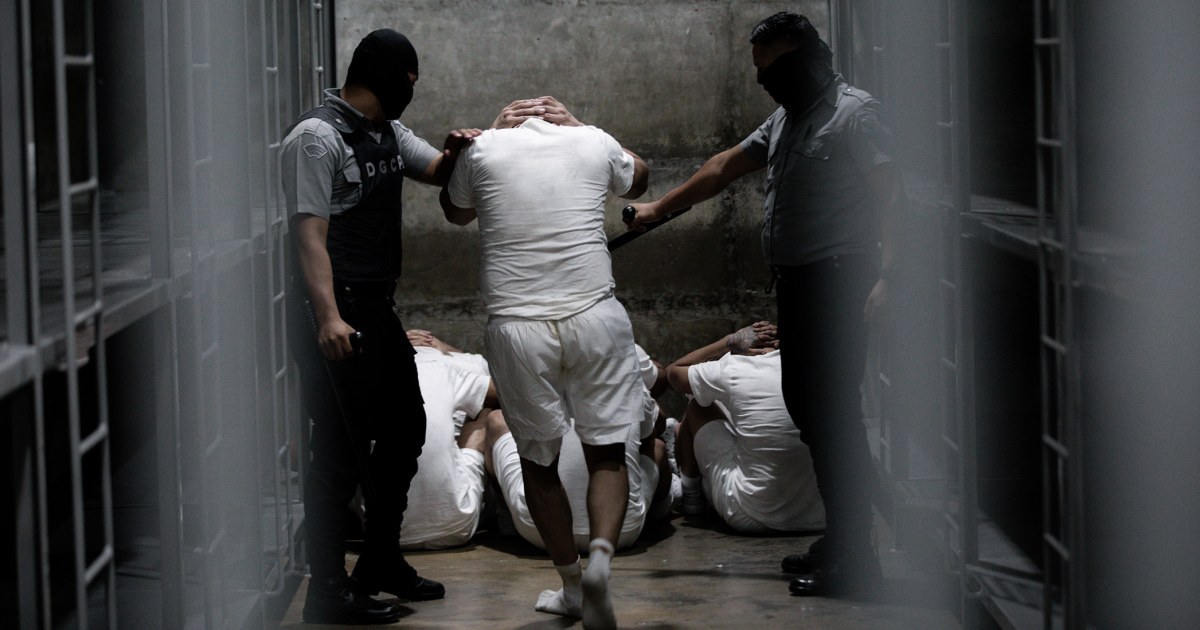
At the core of the emergency regime's operational strategy is the directive for maximum security within El Salvador's penal system. President Bukele's order to the general director of Penal Centers, Osiris Luna, was unambiguous: "Decree maximum emergency again in all security and maximum security prisons," ensuring "all cells closed 24/7." His accompanying message to gangs was stark: "because of your actions, now your ‘homeboys’ won’t be able to see a ray of sunshine." Luna's immediate response confirmed the swift implementation: "the order is carried out immediately, these criminals will NOT see the light of day."
This measure directly targets the ability of el salvador imprisoned gang leaders to coordinate criminal activities from behind bars, a long-standing challenge in the country's fight against crime. By cutting off external communication and severely restricting internal movement, the government aims to cripple gang command structures. The psychological impact of such extreme isolation is also a key component, intended to break the morale and solidarity of gang members.
This isn't the first time Bukele has deployed such tactics. Previous waves of violence have seen similar orders, indicating a consistent strategy of leveraging prison conditions as a tool in the wider war against gangs. While proponents argue that these methods are necessary to regain control and deter further violence, critics voice concerns about the potential for human rights abuses, the psychological toll on inmates, and the risk of radicalizing individuals further rather than rehabilitating them. The efficacy of long-term isolation as a crime-fighting strategy, especially when coupled with suspended legal protections, remains a subject of intense debate.
Broader Implications: Police Action and Public Opinion
Beyond the walls of the prisons, the emergency regime has dramatically transformed daily life in many parts of El Salvador. The National Civil Police, often bolstered by military units, has significantly increased its presence and activity, conducting widespread searches and raids in areas historically controlled by gangs. Social media feeds from law enforcement agencies frequently showcase images of mass arrests, confiscated weapons, and individuals being detained, serving as visible evidence of the crackdown.
For many Salvadorans, particularly those living in gang-ridden communities, this increased security presence has been a welcome change, bringing a tangible sense of relief and safety that was previously elusive. The promise of living free from extortion, violence, and intimidation resonates deeply with a populace exhausted by decades of gang tyranny. However, the sweeping nature of arrests, often based on suspicion rather than concrete evidence, has also led to accusations of arbitrary detentions and a climate of fear among innocent citizens, especially young men in marginalized communities who might be profiled based on appearance or residence.
The government maintains that these measures are temporary and necessary to dismantle entrenched criminal structures. The success of the strategy hinges on its ability to effectively differentiate between gang members and innocent civilians, ensuring that justice is served without sacrificing fundamental human rights. The long-term challenge will be to sustain a secure environment while rebuilding trust in state institutions and fostering sustainable social development that addresses the root causes of gang recruitment.
Beyond Local Shores: The International Dimension of El Salvador's Prisons
The narrative of el salvador imprisoned individuals extends beyond its local gang members to a complex international dimension. The construction and operation of the massive CECOT (Center for the Confinement of Terrorism) mega-prison has attracted global attention, not least because it has housed individuals deported from other countries, including Venezuelans removed from the United States.
In a notable development, 238 Venezuelans were deported from the US to El Salvador and subsequently imprisoned in CECOT. What made this particularly contentious was the admission by the US government itself that many of these individuals had no criminal records. The circumstances surrounding their removal and detention raised significant humanitarian concerns. A US photojournalist captured images of their arrival and handling at both the airport and the prison, providing a rare glimpse into the process. Furthermore, CBS News obtained a leaked list of the names of these deported individuals, and their families have since shared harrowing stories of their plight, highlighting issues of due process, conditions of detention, and the lack of clarity regarding their status.
This situation underscores the global implications of El Salvador's detention policies and the reach of its expanding prison system. It raises critical questions about international cooperation in migration and security, the responsibilities of states regarding the individuals they deport, and the human rights considerations for those who find themselves el salvador imprisoned under an emergency regime. For more detailed accounts and ongoing developments, explore stories about US Deportations to CECOT: Venezuelan Prisoners and Their Stories.
Conclusion
El Salvador under President Bukele's emergency regime presents a complex picture of a nation grappling with deeply entrenched violence through highly assertive, and often controversial, means. The isolation of el salvador imprisoned gang members is a central pillar of this strategy, reflecting a no-tolerance approach to criminal enterprises. While this stance has delivered a sense of security to many, it has come at the cost of suspended civil liberties and intensified scrutiny from human rights advocates and the international community. The saga of the deported Venezuelans highlights how El Salvador's detention policies have a reach that extends beyond its borders, adding another layer of complexity to its fight against crime. As El Salvador moves forward, the challenge will be to balance the imperative of security with the fundamental principles of justice and human rights, charting a path that leads to lasting peace without eroding the foundations of a democratic society.